
Respiratory
(16 Pages)
Refine Search

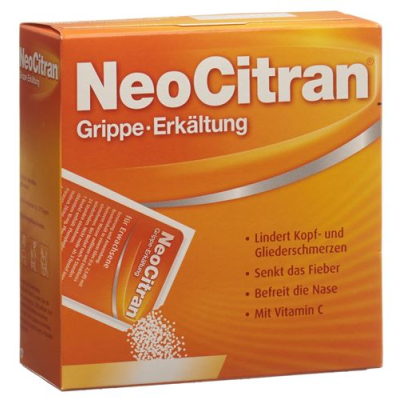
NeoCitran Flu / Cold for adults powder for oral solution 12 sachet
..
44.69 CHF


Xylo-Mepha dosing spray 0.1% adult bottle 10 ml
..
21.46 CHF


Vogel Santasapina cough drops 5.2 g 2 bags 100 g
..
10.02 CHF




Triofan Hay Fever eye drops monodoseosen 15 x 0.5 ml
..
24.53 CHF
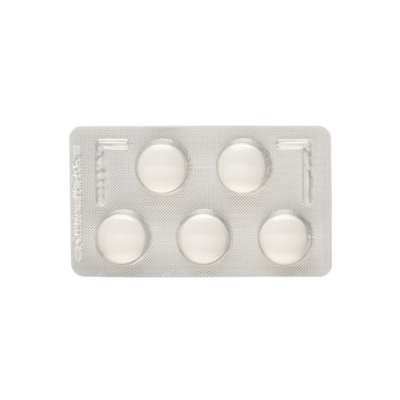

Trawell Chewing Gum Dragées 20 mg 10 pcs
..
37.82 CHF


Sidroga Chest and Cough Tea N 20 bags 2 g
..
11.70 CHF
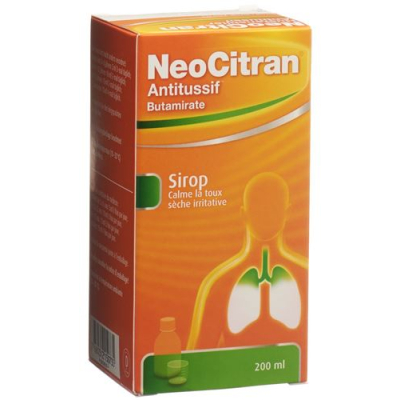

NeoCitran cough suppressant syrup 15 mg / 10 ml glass bottle 200 ml
..
31.41 CHF


Muco-Mepha effervescent tabletse 600 mg 10 pcs
..
12.09 CHF
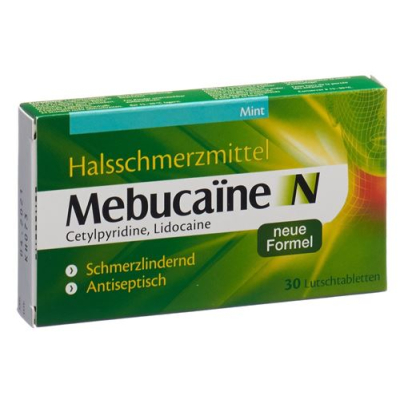
Mebucaine N lozenges new formula 30 pcs
..
34.31 CHF
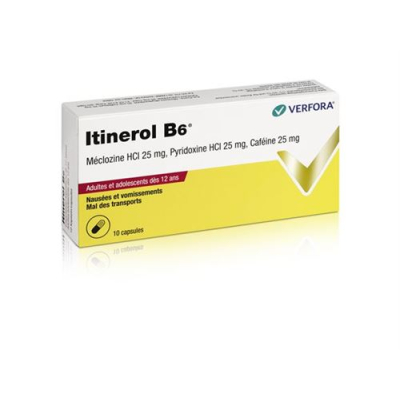


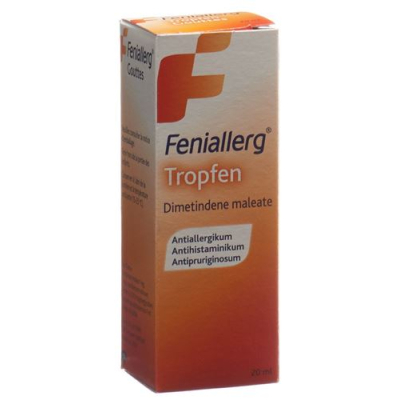
Feniallerg drops 1 mg/ml bottle 20 ml
..
13.57 CHF


Ecomucyl Sandoz effervescent tablet 600 mg 10 pcs
..
12.09 CHF


Ceteco Sandoz film-coated tablets 10 mg 10 pcs
..
18.02 CHF
(16 Pages)
Respiratory diseases are conditions that affect the lungs and other parts of the respiratory system. These conditions can range from mild to severe and can be caused by a variety of factors, including viruses, bacteria, allergens, and environmental irritants. Some common respiratory diseases include asthma, chronic obstructive pulmonary disease (COPD), pneumonia, and influenza.
Antihistamines for systemic use are medications that are used to treat symptoms of allergies, such as sneezing, itching, and runny nose. These medications work by blocking the effects of histamine, which is released by the body in response to an allergen. Antihistamines can be taken orally or as a nasal spray and are available in both prescription and over-the-counter forms.
Cough and cold medicines are medications used to relieve symptoms of cough, congestion, and runny nose associated with the common cold. These medicines may contain a combination of ingredients such as antihistamines, decongestants, cough suppressants, and expectorants. It is important to use cough and cold medicines as directed and to avoid using them in children under the age of six, as they can be harmful.
Nasal preparations are medications used to treat nasal congestion and other symptoms of allergies and colds. These medications can be in the form of nasal sprays, drops, or inhalers, and may contain decongestants, antihistamines, or steroids. It is important to follow the instructions for use carefully, as overuse of nasal decongestants can lead to rebound congestion.
Medicines used for neck and throat infections are medications used to treat conditions such as strep throat, tonsillitis, and pharyngitis. These medications may include antibiotics, pain relievers, and Care drugs. It is important to finish the full course of antibiotics as prescribed, even if symptoms improve, to prevent the development of antibiotic-resistant bacteria.
In conclusion, respiratory diseases can be caused by a variety of factors and can range from mild to severe. Antihistamines for systemic use, cough and cold medicines, nasal preparations, and medicines used for neck and throat infections are all available to help manage symptoms and treat these conditions. However, it is important to follow the instructions for use carefully and to seek medical attention if symptoms worsen or do not improve.